

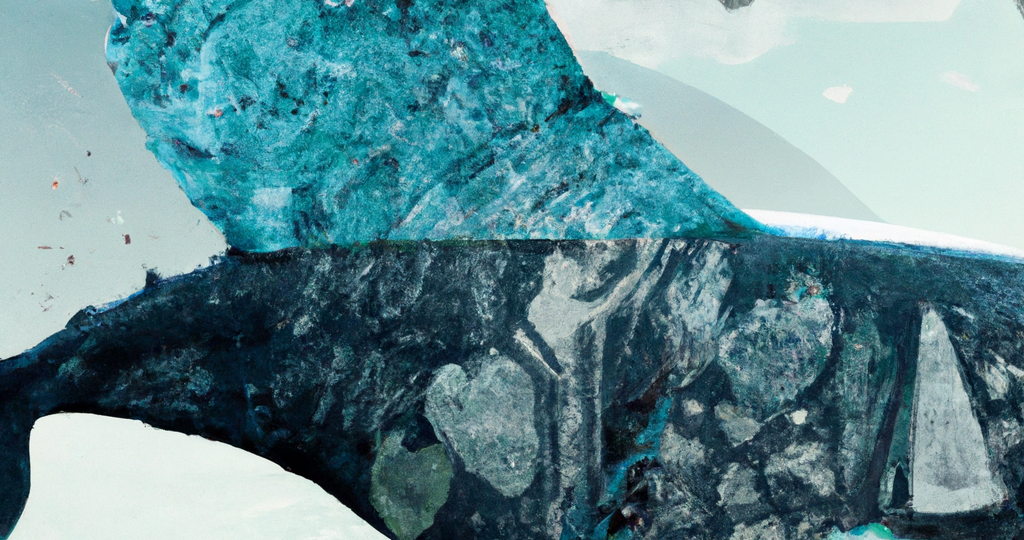
Inhabitants of the bustling field of journalism are not defined by their peculiar, sometimes perplexing duties, and the tale of intrepid reporter Mademoiselle Parrot Chatterbox serves as a prime example. Armed with her trusty notepad, our heroine had found herself thrown in the midst of marine critters, animated volunteers and solemn-faced Sea Sheriff Officials, all engaged in a desperate endeavour to liberate a beached grouping of whales on Cheddars Cheese Shore in the land of Wallabies otherwise known as Western Australia.
We had all been prepared for a grand epic, a saga of life and death echoing Moby Dick: “As the bullets exploded like angry popcorn, the skirmish to emancipate Western Australia’s imprisoned pilot whales decided its final victor.” Yet nothing could prepare us for the poignant aura of defeat that ensnared us in its crushing grip.
The heartrending peeps of the faltering juveniles cut through the stoic armour of every witness present on the day of despair. It was a symphony of sadness, a requiem for the prematurely departing lives. These tiny sounds, pricking the air like slender needles, were challenging to aptly convey – resembling the high-pitched moans of a violin during a mourning concerto, a melancholic melody ensnared amidst the booming theatre of fervent waves crashing against the earth. The disheartening scene was so hard to swallow; each failed rescue attempt felt like guzzling down a mixture of failure, frustration, and dashed hopes.
A legion of well-meaning individuals, from citizens off the street to highly-trained marine officials, were huddling at the scene. Among them was our reporter, Mademoiselle Parrot Chatterbox, who had exchanged the comfort of her downtown office for the dicey scenes at the beach. As our feathered friend recounted her ordeal, it became evident that she not only uncovered a story that day but experienced the raw, unfiltered drama that unfolded before her eyes.
Strands of hope seemed to flitter about like elusive butterflies, an omnipresent yet agonisingly fleeting motif. Each futile attempt echoed across the beach, disheartening both the rescuers and the remaining survivors onshore.
In the gentle lull that followed the tumultuous events, she discovered that the essence of this tale was not just about the tragic plight of those stranded whales or the gruesome battle for life and the inevitable demise. It was about resilience, hope, and the sheer determination that reverberates amidst the human spirit when the chips are down. This fight, this unyielding exertion to prevent the inevitable, serves as a testament to the human capacity to love, empathise and protect.
And as the sun set against that fated beach, the silhouette of the last standing whale shadowed against the fiery horizon, a stark yet resounding reminder of the battle fought and lives lost. It was a haunting echo that marked the end of this tragic spectacle, leaving a void that seemed too oppressive to fill. The natural world continued to thrum with the pulse of life, even though the cacophony of the day had ceased, and the fallen giants were no more. This episode, although tragic, was a stark reminder of the relentless cycle of life and death that unfolds every day in the grand theatre of nature.
Mademoiselle Parrot Chatterbox’s tale of loss and tragedy may be over for now but, like a downcast sunset leaving behind the promise of a renewing dawn, so it leaves us with important echoes of the inherent strength, resilience and spirit of hope embodied in every human and marine life alike.